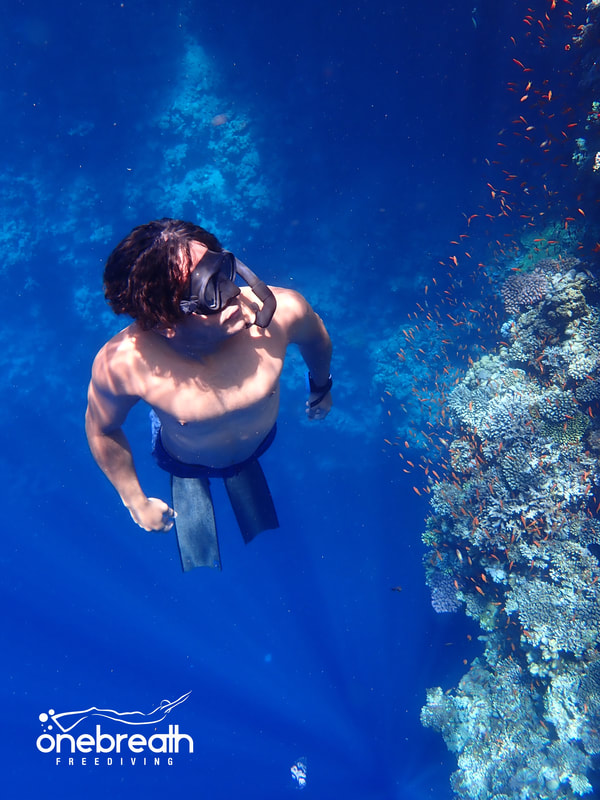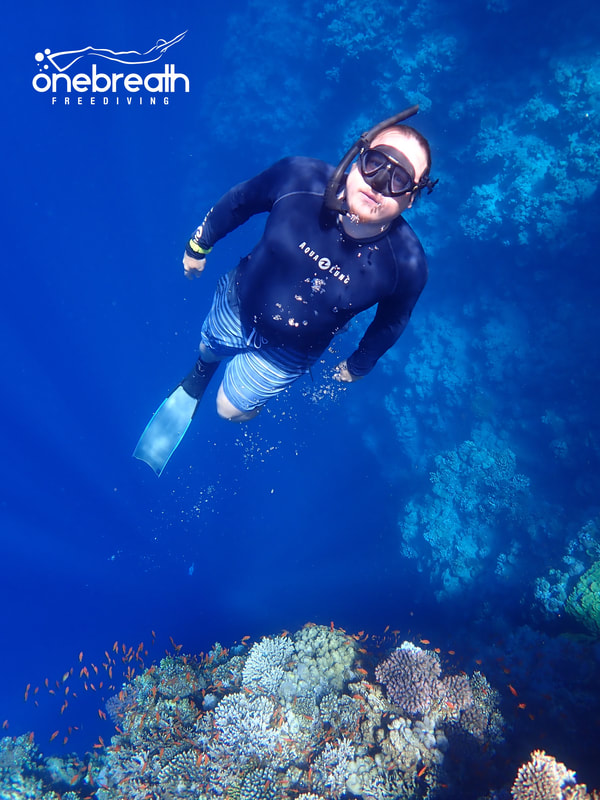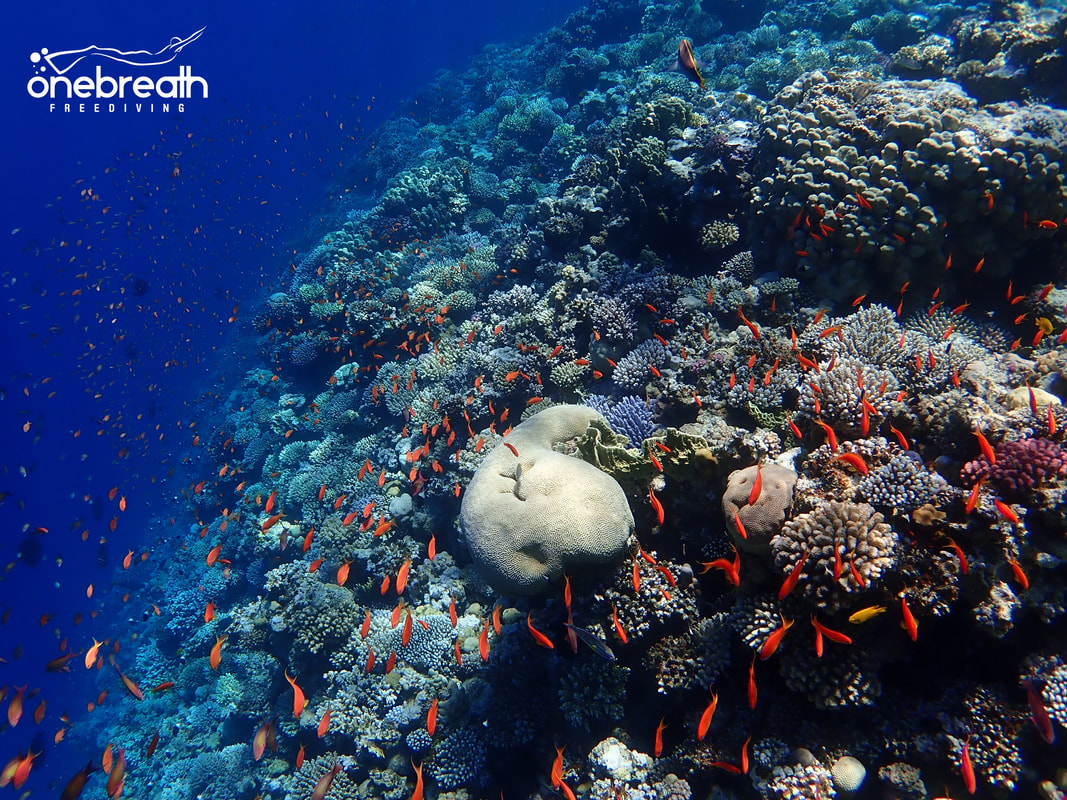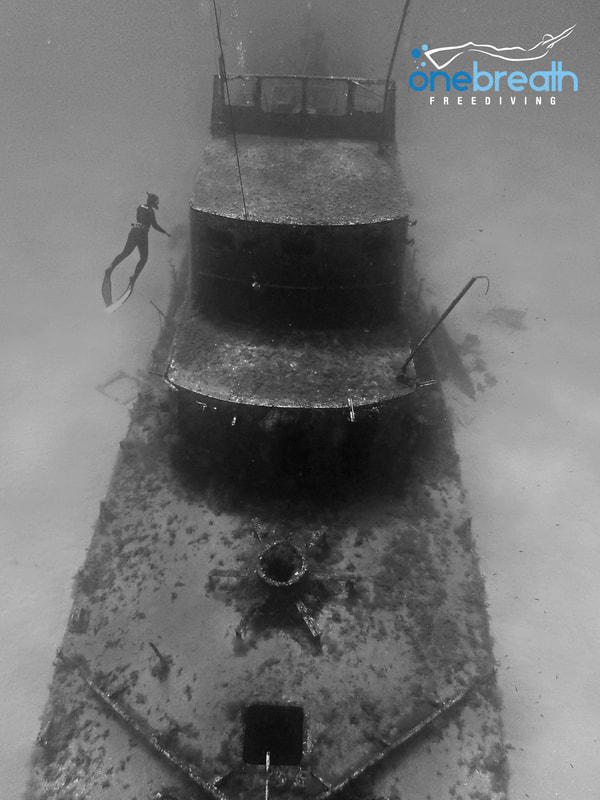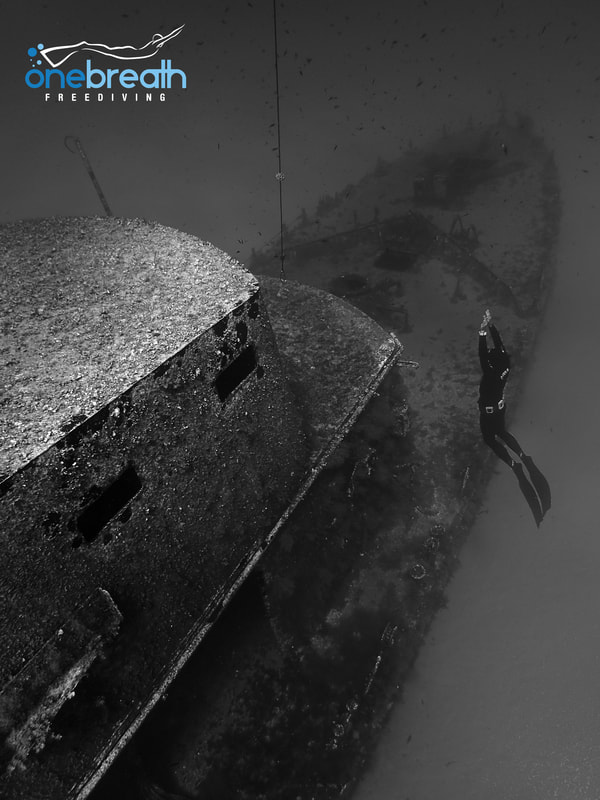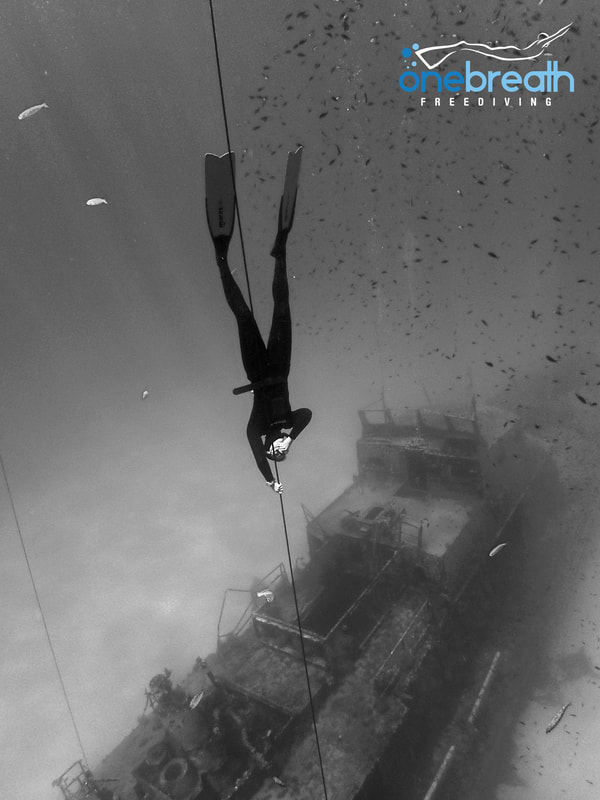
Malta has lots going for it for freediving including amazing visibility of 30m+ and impressive underwater topography including caves and caverns. One thing that always stands out to our divers visiting Malta at One Breath Freediving is the abundance and accessibility of shipwrecks available to see.
Here I have made a list of our favourite wrecks for freediving. All have been sunk on purpose as an artificial reef and diving attraction and all are in the depth range (or viewing range) of 10-20m. Next to each listing is a link that takes you to a video of the wreck on the OBF YouTube channel so you can get a better impression of the amazing experience that is wreck freediving here.
I hope you enjoy. Let us know in the comments which is your favourite wreck to freedive!
Here I have made a list of our favourite wrecks for freediving. All have been sunk on purpose as an artificial reef and diving attraction and all are in the depth range (or viewing range) of 10-20m. Next to each listing is a link that takes you to a video of the wreck on the OBF YouTube channel so you can get a better impression of the amazing experience that is wreck freediving here.
I hope you enjoy. Let us know in the comments which is your favourite wreck to freedive!
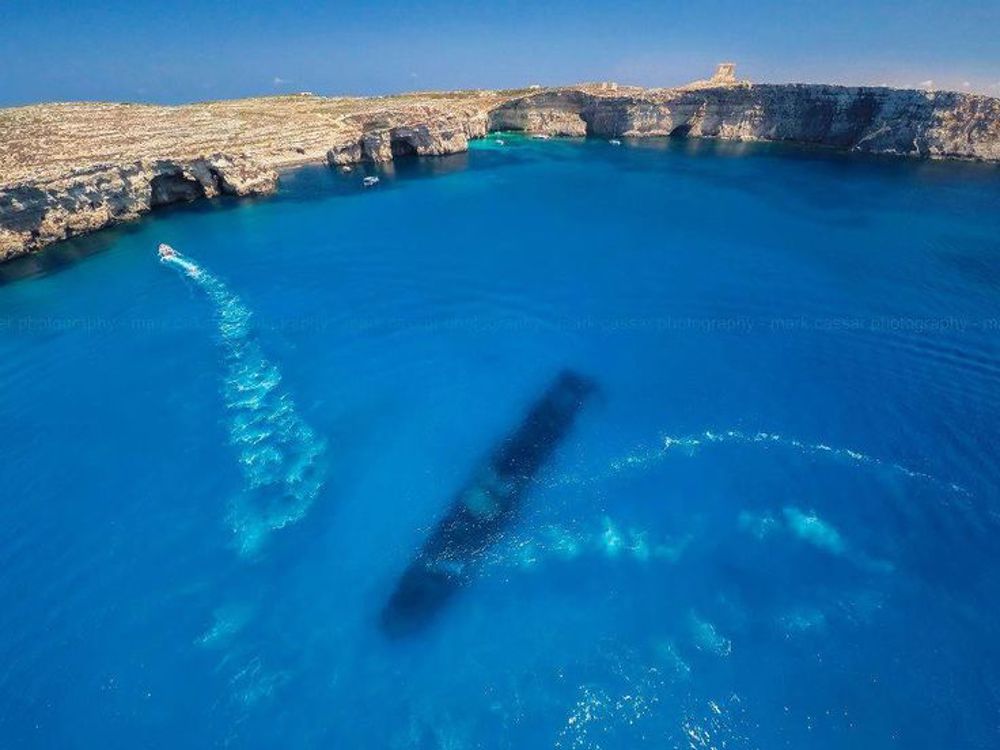 P-31 wreck is in extremely clear water and is visible from the surface | 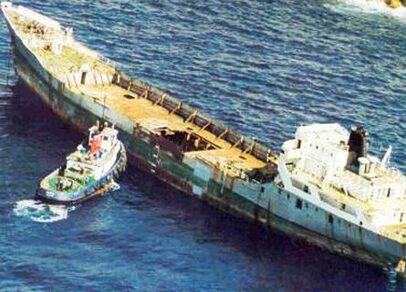 Um El Faroud being prepared for scuttling |
1) Patrol Boat P-29:
LOCATION: Cirkewwa | DEPTH: 20-35m | VIDEO: HERE
Former East German patrol boat built in 1960's before being sold to the Maltese navy in 1997. Scuttled as a diving attraction in 2007. Sits in 35m of water at Cirkewwa in North Malta, this is one of the wrecks we see most as we frequently train at this location. 52m long and 8m wide and sister ship to P-31 in Comino.
HIGHLIGHT:
Seeing the dark shape below from the surface and if able to dive just to 10-15m above it, gives an amazing view of the whole ship, so perfect for new freedivers and as a first wreck.
2) Tug 2:
LOCATION: Sliema | DEPTH: 12-20m | VIDEO: HERE
A former working tug from the Valetta port, this boat was sunk in 2013 as a diving attraction and artificial reef. It is quite a swim from shore (10 min surface swim) but well worth the effort as it is a great looking wreck in a typical 'tug' form. Doors and windows are all removed to make it safe for divers to explore.
HIGHLIGHT:
Perfect depth and size for freediving on and to access safely inside. Great fun and ideal for making cool freediving videos.
3) Um El Faroud:
LOCATION: Wied Iz Zurrieq | DEPTH: 15-35m | VIDEO: HERE
This former oil tanker is an impressive 115m long and 16m wide and sits on the seabed at 35m in two parts having been broken apart in a particularly fierce storm. This part of the coast is susceptible to strong currents so this particular wreck is more suitable for advanced freedivers. If you are lucky and probably with a strong current present, you might see schooling Barracuda around the upper decks. See photo above for this ship being positioned for sinking.
HIGHLIGHT:
The pure size of this wreck is immense and amazing to see for the very first time. The propeller is very impressive if you are comfortable down at 35m.
4) Patrol Boat P-31:
LOCATION: Comino | DEPTH: 10-20m | VIDEO: HERE
This is the sister ship of the P-29 at Cirkewwa so shares the same specifications but sits shallower on a sandy bottom at 20m deep making it another wreck perfect for all levels of freediver. Scuttled in 2009 it is still in good condition as it is sheltered from the worst storms. Accessing the wreck is by boat as it lies off the uninhabited island of Comino. Beware of other boat traffic, especially in the summer months.
HIGHLIGHT:
Being able to see the whole wreck from the surface (see photo above) is amazing. So also perfect for snorkellers. Often lots of scuba divers which adds more fun with the accompanying bubbles.
5) MV Scotscraig:
LOCATION: Anchor Bay | DEPTH: 10-20m | VIDEO: HERE
This wreck has an interesting history as it was used for the Popeye movie (1980), firstly to transport the material into the secluded bay to construct the film set, and then in the movie itself. The boat is a river ferry 25m in length and relatively wide, sitting at 20m depth on a mix of rocks and seagrass. The visibility here is never great by Maltese standards (15m maybe) and it is a LONG swim (or better by kayak) just North of Anchor Bay.
HIGHLIGHT:
Not frequently dived on because of its more isolated location, so feels more of a real 'discovery' and the marine life can be more abundant because of this.
Come freediving with One Breath Freediving to see these and more wrecks in Malta. Exploring and fun freediving sessions available to already certified freedivers.
Interested in deeper and historical wrecks in Malta? At this underwater museum website you can view numerous amazing Maltese shipwrecks in a 3D interactive experience: HERE
By David Watson, Owner, Founder & Head Instructor / AIDA Instructor Trainer at One Breath Freediving
LOCATION: Cirkewwa | DEPTH: 20-35m | VIDEO: HERE
Former East German patrol boat built in 1960's before being sold to the Maltese navy in 1997. Scuttled as a diving attraction in 2007. Sits in 35m of water at Cirkewwa in North Malta, this is one of the wrecks we see most as we frequently train at this location. 52m long and 8m wide and sister ship to P-31 in Comino.
HIGHLIGHT:
Seeing the dark shape below from the surface and if able to dive just to 10-15m above it, gives an amazing view of the whole ship, so perfect for new freedivers and as a first wreck.
2) Tug 2:
LOCATION: Sliema | DEPTH: 12-20m | VIDEO: HERE
A former working tug from the Valetta port, this boat was sunk in 2013 as a diving attraction and artificial reef. It is quite a swim from shore (10 min surface swim) but well worth the effort as it is a great looking wreck in a typical 'tug' form. Doors and windows are all removed to make it safe for divers to explore.
HIGHLIGHT:
Perfect depth and size for freediving on and to access safely inside. Great fun and ideal for making cool freediving videos.
3) Um El Faroud:
LOCATION: Wied Iz Zurrieq | DEPTH: 15-35m | VIDEO: HERE
This former oil tanker is an impressive 115m long and 16m wide and sits on the seabed at 35m in two parts having been broken apart in a particularly fierce storm. This part of the coast is susceptible to strong currents so this particular wreck is more suitable for advanced freedivers. If you are lucky and probably with a strong current present, you might see schooling Barracuda around the upper decks. See photo above for this ship being positioned for sinking.
HIGHLIGHT:
The pure size of this wreck is immense and amazing to see for the very first time. The propeller is very impressive if you are comfortable down at 35m.
4) Patrol Boat P-31:
LOCATION: Comino | DEPTH: 10-20m | VIDEO: HERE
This is the sister ship of the P-29 at Cirkewwa so shares the same specifications but sits shallower on a sandy bottom at 20m deep making it another wreck perfect for all levels of freediver. Scuttled in 2009 it is still in good condition as it is sheltered from the worst storms. Accessing the wreck is by boat as it lies off the uninhabited island of Comino. Beware of other boat traffic, especially in the summer months.
HIGHLIGHT:
Being able to see the whole wreck from the surface (see photo above) is amazing. So also perfect for snorkellers. Often lots of scuba divers which adds more fun with the accompanying bubbles.
5) MV Scotscraig:
LOCATION: Anchor Bay | DEPTH: 10-20m | VIDEO: HERE
This wreck has an interesting history as it was used for the Popeye movie (1980), firstly to transport the material into the secluded bay to construct the film set, and then in the movie itself. The boat is a river ferry 25m in length and relatively wide, sitting at 20m depth on a mix of rocks and seagrass. The visibility here is never great by Maltese standards (15m maybe) and it is a LONG swim (or better by kayak) just North of Anchor Bay.
HIGHLIGHT:
Not frequently dived on because of its more isolated location, so feels more of a real 'discovery' and the marine life can be more abundant because of this.
Come freediving with One Breath Freediving to see these and more wrecks in Malta. Exploring and fun freediving sessions available to already certified freedivers.
Interested in deeper and historical wrecks in Malta? At this underwater museum website you can view numerous amazing Maltese shipwrecks in a 3D interactive experience: HERE
By David Watson, Owner, Founder & Head Instructor / AIDA Instructor Trainer at One Breath Freediving