One Breath Freediving
  • Home
  • About
    • About & Reviews
    • Dahab Freediving
    • Frequently Asked Question's
    • AIDA International
  • Freediving & Courses
    • AIDA 1-4 Freediving Courses (Intro, Beginner, Advanced, Master)
    • AIDA Instructor Course
    • AIDA Monofin Course
    • AIDA Competition Safety Freediver Courses
    • AIDA Youth Courses
    • Training, Coaching, Exploring & FUN Freediving
    • AIDA FEMR (Freediving Emergency Medical Responder) Course
    • Dry Workshops
  • Booking
  • Shop
  • Blog
  • Contact

5 Essential Ways to Prepare To Become A Freediving Instructor

21/11/2024

0 Comments

 
I'm not sure this counts as 'clickbait', but I expect that many of you reading this will be expecting me to list tips and tricks of how to overcome those sneaky IC performance requirements such as 40-50m Constant Weight or 90m Dynamic or the favourite, 5x 20m.
Well, no. These performance requirements are the minimum standard to just ATTEND the Instructor Course, so should already be ticked off and being ready for them should be a given. Unsurprisingly, as the name suggests, the freediving instructor course is about the Instructor Trainer (IT), teaching you, the candidate, how to teach others freediving.

There needs to be a mindset change (which may have happened to you, at least partially, on the AIDA4 Course as this is also Assistant Instructor level). This change needs to be mainly focussed on your new found responsibility for the safety and wellbeing of others under your care, your responsibility for teaching freediving correctly to a high standard and also maintaining the positive image of the sport for everyone.

In no particular order......

#1 Build a Base Knowledge:
There will be stuff you don't know. There will be stuff you know but not well enough to explain properly to others. Start working on this as students will have lots of questions. And it is sometimes ok to say that you don't know but will find out. So stay humble and keep a folder of topics you came across but didn't have time to read. Or subjects that you would like to understand better yourself for the future. Keep learning and look at ways teaching is conducted in other sports or areas of life and think what can transfer over successfully in to teaching freediving.

#2 Start Observing:
As an instructor you need to be observant and spot mistakes so you can correct them and even spot impending mistakes before they occur. Start watching your buddies and other freedivers at what they do differently to you. And remember, we do not need to always be critical with this. Often there is more than one way to do something well, so then question why you do what you do, the way you do it. Try new things out and evaluate the pros and cons and have alternative methods ready as a back up in your freediving 'tool box'.

#3 Consider Safety: 

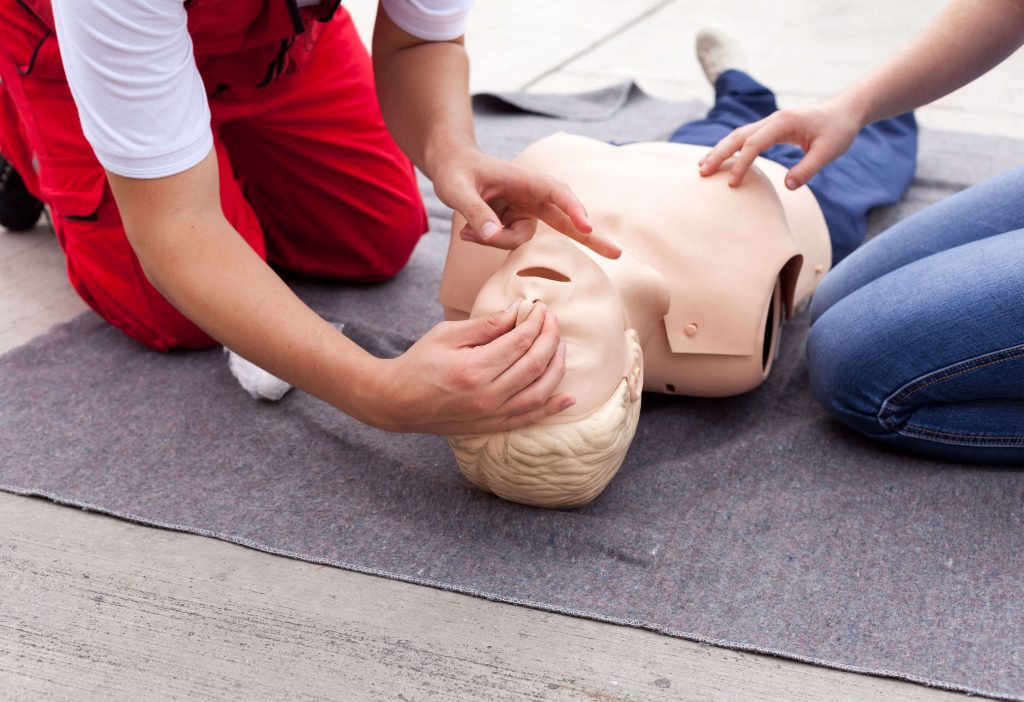
This is of paramount importance, but I think it only really dawns on people when they realise things can go wrong while undertaking theoretical course teaching on the instructor course (plus realising there is a whole chapter on 'risk'). The reality is that you are responsible for others during this outdoor activity that we all love. Question yourself; 'Is how I conduct myself safe?'. Think about what you allow others to do in your presence. Think about your equipment set up and your rescue and CPR training. Is it up to scratch or are you just hoping that nothing will go wrong?

Picture
Don't make it an uphill struggle...
#4 Accept You Are Not Good At Everything (and work on these things!):
No one is perfect, or even good at everything. As humans we tend to stick with what we are good at or enjoy the most. But the things we need to work on most are generally the things we don't like so much. So spend time looking at the lesser aspects of our freediving self. Never been into DNF (Pool No-Fins)? Well give it a go and accept that the first tries will suck but then you will gradually improve. Never fully understood Dalton's law? Try explaining it in it's simplest form  to someone who does not even dive. With practice you will become more comfortable and get better, if maybe never fully enjoying some things.
This brings us to.....


#5 Keep Improving The Basics:
It is easy to get lazy with the things  we think we know or can do well already. Lets take the duck dive. How many of use got good at it at about AIDA3 level and then never thought much about it again? Quite a few I expect. This is called 'Unconscious Competent', when we can do something well without thinking too much about it. To be an instructor we need to teach these skills to someone at the other end of this spectrum ('Conscious INcompetent': who thinks hard about doing a skill, but still cannot get it right). So we need to be able to DEMONSTRATE skills to a high level for students of a much lower level, so things needs to be fluid, precise and correct in any demonstration we give. Start getting good now. Strive to make every aspect of your dives to the highest standard.

By David Watson, Owner, Founder & Head Instructor / AIDA Instructor Trainer at One Breath Freediving 
0 Comments

5 Things Freediving Can Teach Us About Life

27/7/2024

0 Comments

 
In this blog post I wanted to discuss something different; let's look how we can apply lessons from freediving to everyday life! So, here are 5 things freediving can teach us about life: 

#1: Patience is Vital
Freediving is one of the few sports where you can't just push harder to get better, more often than not progress can be slow and a myriad of external factors can mean that the dive doesn't always go as expected. What better way to remind us that we sometimes need to bide our time and be more patient to achieve the outcomes we want.

#2: We need People
Many sports and training sessions have teams, or maybe two people playing in rivalry, but few require two people working together and looking after each other. Yes, it can sometimes be a pain to find a buddy, but it is in a good lesson in receiving outside help and trusting someone else, essentially with your life.
​
Picture
#3: Live in the Moment
Freediving is literally taking a single breath, which really makes things during this relatively short duration of the dive, pass in slow motion, meaning many sensations and momentary details are noticed as our senses are essentially on high alert. During the breath hold, one hour in the future does not matter. What happened yesterday does not matter. This is being in the moment of the dive and has been likened to an 'underwater meditation' where we are truly feeling the present moment to the fullest.

#4: Not Everything Goes to Plan
Yes, plans can be made, and we know what we would LIKE to happen, but there are few reality checks like a freedive, with so many variables at play, be it internal or external. We more frequently than not, have to learn to let go and accept what we are dealt in that moment, dive, or session. Acceptance of circumstances outside our control is also a valuable life lesson. 

#5: Nature is Awe-Inspiring
Being in the water where we can experience weightlessness and with the water, light and marine life around us, really gives us a connection with nature that is much harder to achieve on land. Combined with 'being in the moment' on a single breath multiplies the sensation and seems to bring back some distant sensations of humans connection with the natural world.

What do you think, are there any others that could be on this list? Let me know in the comments section.
​
By David Watson, Owner, Founder & Head Instructor / AIDA Instructor Trainer at One Breath Freediving 
0 Comments

5 Overlooked Safety Mistakes & How to Avoid Them (Vital for New Freedivers!)

28/5/2024

0 Comments

 
As you will have learnt in you early freediving course(s), done properly, freediving is an extremely safe sport where we use the buddy system to watch each other and of course the golden rule is to NEVER FREEDIVE ALONE. Following from that we learn how to recognise and then rescue from both a black out (BO) and Loss of Motor Control (LMC), repeated on every course and from each discipline of freediving (pool and open water). Next comes never pushing your limits and paying attention to your own personal condition, both mental and physical (tiredness, cold, hydration, relaxation/stress etc), learning to dive conservatively and within our limits
Picture
THE Golden Rule
​But in this blog post I wanted to cover what I consider to other less considered or overlooked aspects of safety. In over 12 years of teaching freediving I have made mistakes (and learned from them!), seen others making mistakes and heard about other peoples mistakes, accidents or close calls. So here are what I consider to be the 5 top overlooked aspects of freediving safety: 

#1: Maintaining Equipment
With time and use your equipment degrades and even more so if it is not looked after properly and cleaned after dive sessions. I have seen (and even had!) fins snap, weight belts break, carabiners fail, masks break.... the list goes on.
In the majority of cases it is not a single failure it is degradation over time, which can be visible and therefore preventable. 
So what can you do? Visually check all equipment as you assemble it for your dive session. And every 6 or 12 months do a more thorough check. This is especially important if you have not used equipment for a period of time and it has been in storage. 
Replace equipment BEFORE it breaks to prevent a problem occurring in the first place. Prevention is always better than having to react to a bigger problem, or even accident, caused by improperly maintained equipment.
​
#2: Communication

​Beginner freedivers especially, but all recreational levels (and beyond!) seem to forget that if you have a buddy, you actually need to tell them what you are doing. Often it is a shock for freedivers after their course is completed, when they don't have a paid safety diver (the instructor) anymore, and the person they are now accompanied by is not 100% there to watch and help them the whole session. However, you should both be 100% invested in helping each other as buddies although it is not your paid job, it is of course mutually beneficial. Just some people are better at it than others.
But as much as we would like to be, people are not mind readers, so remember to take time to discuss the key topics of a dive, including but not limited to; depth, discipline (dive type), time etc (WHERE will you go, HOW will you get there, WHO will help you if needed, WHEN will you be back).
​Sounds easy but is often not done properly.
​
Picture
#2: What did you say? I wasn't listening...
Picture
#1: Still has plenty of life left (NOT!)

​#3: Exploring is different to line training
Diving using a buoy / rope / weight / lanyard set-up makes things much much easier to do deeper and more efficient freedives. This is often overlooked and when recreational freedivers dive on the reef to explore they often mistakenly assume they can achieve the same depths or times.
This is incorrect. Having a buoy (to rest on), a rope (to take you in a straight line and turn on), a weight (to allow you to 'pull' up or down if needed) and a lanyard (to keep you safely close to the line) all make a huge difference to how easy and relaxed the dives are, but more importantly how safe. So much so, that  when diving off the line you should reduce your maximum depth by at least ONE THIRD. Therefore, if you are a 20m diver on the line, your recreational off-line diving depths should be limited to 13-14m range for the purpose of safety.


#4: Pay Attention
Paying attention is an important safety aspect, but does sound rather broad and vague, so let me elaborate. This can be applicable to three main areas: 1) Yourself 2) Your buddy 3) Other factors (such as weather and equipment).
As an example, it is not uncommon while teaching for me to see a freediver about to dive with either no lanyard attached (forgotten) or a lanyard on the wrist but the other end is still attached to the buoy and not the rope. So both the freediver has not noticed this AND the buddy has not noticed this. Now this is not uncommon for new freedivers as they learn and have lots to think about, but once diving independently details such as this matter (for both safe and enjoyable dives).
Also, are you noticing if you are getting more tired or colder or heavier contractions etc? Maybe time to stop the session.
Did you notice that the waves are getting bigger or the current getting stronger or visibility deteriorating? Maybe time to stop the session.
You get the idea.

​
​#5: Weight is NOT fixed
​What do I mean by this? I am suggesting that the weight you put on your weight belt needs to be thought about and adjusted on a fairly regular basis. As part of the AIDA3 Advanced Freediver Course it is taught to consider what and where is 'Neutral Buoyancy' and what factors will have an effect on this...... Think, wetsuit thickness, water type (salt or fresh), how deep you want to dive, what safety precautions you have, what your buddy is capable of etc.

Think about this statement:
                                     "Deeper neutral buoyancy is the SAFER option."
Let that sink in....
Setting your neutral buoyancy DEEPER means LESS weights on your belt. This means it is harder to get down, but easier to come up (which, remember, is the hard part of the freedive), and that if (in the very unlikely scenario) you should have an underwater blackout, you are more likely to float back to the surface rather than sink deeper.
Deep freedivers taking part in competitions take the absolute minimum weight down with them because then it is less to bring back up on the harder, second part of the freedive.

Here is another statement for you:
                                      "More weight should not replace bad technique."
​

Meaning that it is dangerous to simply add more weight to get down underwater easier. If you struggle to reach neutral and then negative buoyancy while correctly weighted you need to work on your duck dive and finning techniques, which is a topic for another blog post!


What do you think, are there any others that could be on this list? Let me know in the comments section.​
By David Watson, Owner, Founder & Head Instructor / AIDA Instructor Trainer at One Breath Freediving ​
0 Comments

First Impressions: AIDA Depth Competition Safety Freediver Course

24/4/2024

1 Comment

 
The AIDA Depth Competition Safety Freediver Course (alongside the Pool version) is a new course from AIDA with the goal of updating and standardising the role of the competition safety freediver to ensure the highest safety standards for future AIDA competition events. Going forward, all future safety freedivers will be selected  based on initially having this certification and then a subsequent points system that signifies experience gained from prior competition safety freediver participation.

​Note:
This course is only taught by a limited number of AIDA Instructors who are also AIDA Judges

Who is this course for?
  • Those that want to be official safety freedivers in future AIDA competition events
  • Freedivers interested in the latest safety and rescue procedures to make their own training safer
  • Additionally, I would recommend  the course for Athletes to better understand the role of the safety freediver which will give themselves greater reassurance that they are being professionally supervised when competing
What does the course include?
  • 3x Open Water Sessions
  • 4x Theory Sessions
  • 1x Written Exam​
Picture
What are the key physical and rescue components of the course?​
Fulfil the following physical requirements:
  • 35-40m CWTB dives (3x per session)
  • 30m dive + 30” surface recovery + 20m dive
  • 20m dives with 3-5 seconds notice, at fast pace (early turn simulation)
Course requirements:
  • 20m solo rescue (as if only one safety freediver)
  • 25m team rescue with 30 seconds notice (in all safety diver roles #1, 2 & 3)
  • Rescue from various depths (20-25m) in various simulated situations
  • ​Full rescue extraction
Initial impressions of teaching this course:
  • It is an intense course run over 2 days with a high amount of work needed to be completed in the sessions, both in and out of the water.
  • It is PHYSICALLY DEMANDING course with the number of deep dives and deep rescue dives needed to complete the pass requirements. An above average level of fitness and endurance is needed to complete the physical demands. (REMEMBER, you are training to be absolutely ready for when another person, the athlete, is in need of your help!).
  • Preparation for the course is recommended to include: Familiarity with the current AIDA competition rules. Teaching / assisting teaching is great to get used to focusing on another diver and diving when they are ready, not when you are ready. CO2 tables to get used to having contractions during dives. Practice rescuing someone after a short hang.
  • Being a safety freediver can be both GREAT FUN and rewarding and builds camoraderie among those who are the unsung heroes of freediving competitions.
By David Watson, Owner, Founder & Head Instructor / AIDA Instructor Trainer at One Breath Freediving 
1 Comment

Quote: Letting Go & Acceptance

23/1/2024

0 Comments

 
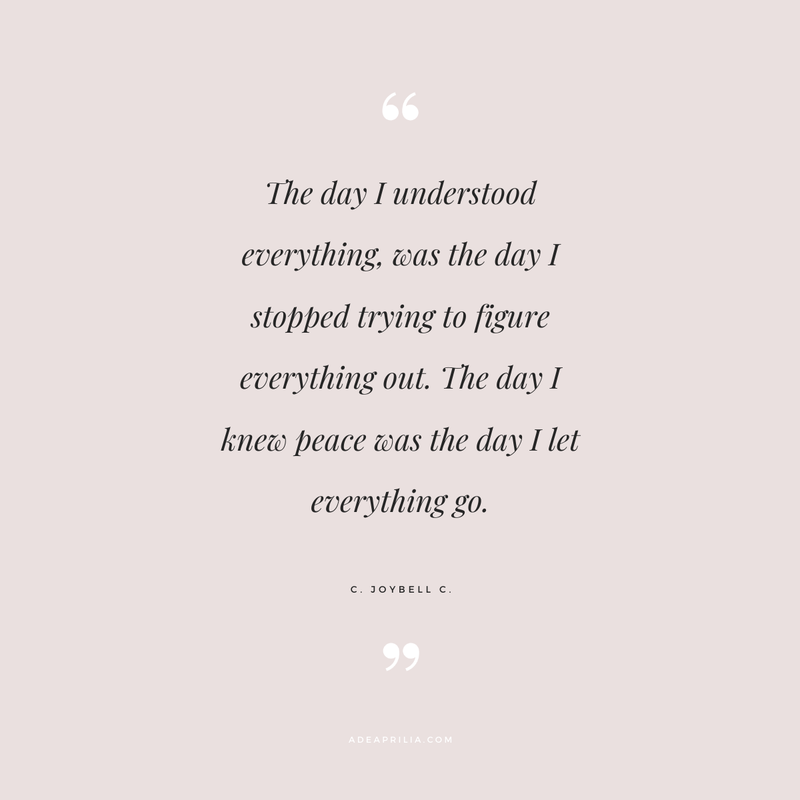
Freediving is very much a sport of acceptance. It is not a sport you can 'just try harder' or 'push stronger' to force a desired result. This is why it can be such a sport of contrasts with frustrations all along the way before you ultimately achieve that new personal best or new record dive. However, this can make it all the more rewarding once the sea allows you in and you stop overthinking the dive and dive with pure acceptance and surrender to the water.
Picture
By David Watson, Owner, Founder & Head Instructor / AIDA Instructor Trainer at One Breath Freediving ​
0 Comments

TOP 5 MARINE LIFE TO SEE WHILE FREEDIVING IN Dahab, Egypt

17/12/2023

0 Comments

 
In this blog post I wanted to discuss some of the marine life of the Red Sea at Dahab, and is the second part to accompany a post I did last year for the Maltese Islands.  The Red Sea is a tropical sea and has much more colourful than the Mediterranean, with hard and soft corals and abundant colourful fish and marine life.

I am writing a little bit about my own observations with 5 of my favourite marine life, all of which can be found by freedivers and snorkellers around Dahab and other parts of the Red Sea.
Click the highlighted links for more detailed descriptions and video footage.

1) Clownfish (INFO):
Made famous from the movie 'Finding Nemo', the clownfish can always be found close to its host anemone with which it has a symbiotic relationship. Super cute in appearance (there are a number of colours and varieties), however, they will get agitated and even 'charge' a diver who gets too close to their anemone home (where they might be raising a juvenile). Their group hierarchy and parenting information is very interesting and well worth a read!

2) Crocodile Fish (INFO)
De Beaufort's Flathead, to give it its full name! Though as you will see, when in their natural habitat of lying in wait for prey on the sand, they appear just like a crocodile. They are related to scorpionfish, stone fish and even lion fish and are similar ambush predators. Not massively common in Dahab, but a lovely to see one up close if you get the opportunity.

3) Turtle (INFO)
Egypt has a few species of sea turtle along its Red Sea coast, most commonly Green Turtle and Hawksbill Turtle. The info guide linked above will give the specifics of spotting the difference between the two. If you are lucky we could see a turtle at Lighthouse bay while line training, commonly cruising past majestically and surprisingly speedily. This is a real treat!

4) Napoleon Fish (INFO)
AKA Humphead wrasse this fish can grow up to 2m in length and weigh 180kg. The first time I saw one from a distance from above I thought it was a shark! They are a beautiful green or green-blue colour with the distinctive humped head especially distinctive on larger adults, although the ones seen closer to the reef in shallow water are usually juveniles.

5) Sea Goldie (INFO)
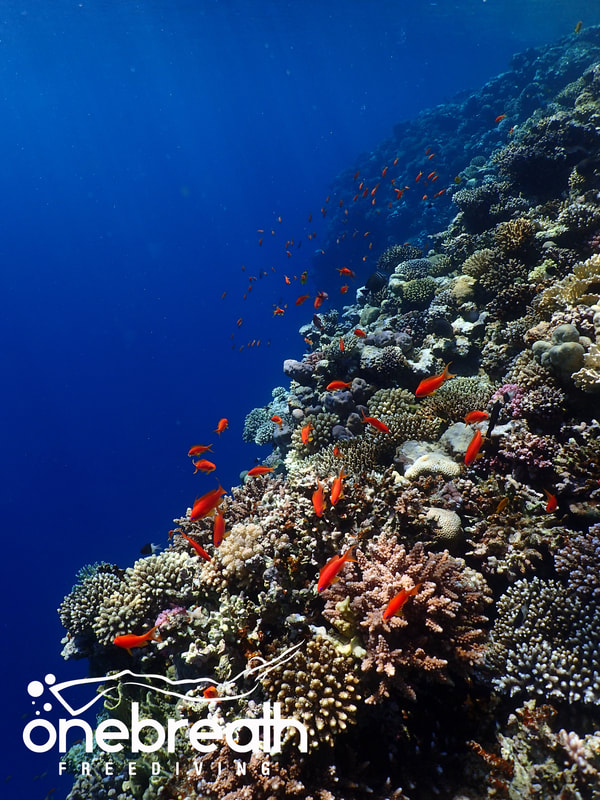
This is the fish you see in abundance on photographs of coral reef, a distinctive orange colour and will dart into the protective cover of reef outcrops if startled or threatened. Only 7-15cm long the Red Sea variety spawn in the winter months of December to February. This little fish really gives a lot of colour to the reef and look stunning as a school against a backdrop of blue sea


Picture
Sea Goldies on the reef
By David Watson, Owner, Founder & Head Instructor / AIDA Instructor Trainer at One Breath Freediving 
0 Comments

"But Does It Really Matter Who My Instructor Is?" - Anon

15/11/2023

1 Comment

 
I wanted to address the topic of instructor choice as it has been mentioned in passing to me more than once, and it surprisingly seems to be of little consideration for many a potential student! Often the prospective student spends the time on choosing the freediving agency or the price of the course is a factor, but not really looking at the person that will teach them.

I covered this topic to a degree in the Blog post regarding 'Teaching Philosophy as an instructor'. This was more taken from the instructors perspective. But the student should also remember, this is fully in their control, and with a small amount of research and planning they can really make the most of their freediving course by taking a considered choice of  instructor.
Picture

Things to look for from your instructor when making a choice for your freediving course:
  • Experience: Of course experience comes from time and practice. The instructor could be wonderful and have the best intentions, but if they are new they wont yet have all the tools to be able to fully spot and correct your mistakes, which is vital for a students learning progress.
  • Clear and positive Communication:  This should come from the start via the first chat/message/email. Look for guidance and clear information without being pushed or rushed. The instructor should be accommodating to your desire for more information about the courses or training you wish to undertake. Communication is going to be vital during the course, so this is the first test.
  • Organisation & Planning: There should be a structure to the course but with flexibility to adapt to things like weather conditions. If, for example, a course is listed as 3 days why does this instructor insist 2 is enough? Are corners being cut or elements rushed or missed completely? Also look for clear instructions for PRIOR to the course so you can prepare and practice before starting for real.
  • Reviews: This is easy to check, though nearly every instructor will (should!) have 4.8-5 star review profile. But look beyond the surface and search for these key words, or similar, from past students: *PATIENT*, *SAFE*, *CONSCIENTIOUS*, *KNOWLEDGABLE*, *ATTENTIVE*, *CALM*.

I hope you found this blog interesting, and remember, not all instructor or teachers are equal!

By David Watson, Owner, Founder & Head Instructor / AIDA Instructor Trainer at One Breath Freediving
1 Comment

Introduction to "Relaxation" in Freediving

6/4/2023

0 Comments

 
When you are freediving, one of the most repeated terms you will hear from your instructor or coach will be "Relax". But what exactly is meant by that term in the context of freediving? What can we relax, how can we achieve a more relaxed state and why is it so important for freedivers. Lets take a look at what is involved.
​

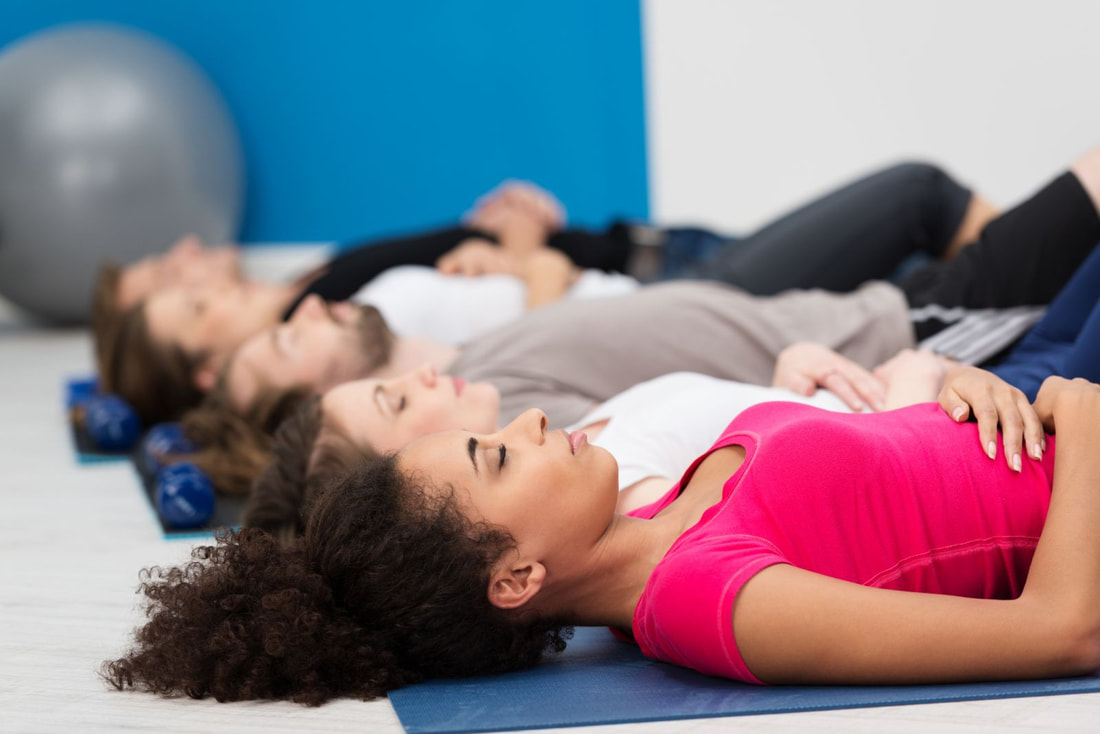
Picture
People....relaxing

WHY we want to be relaxed is mainly to do with oxygen consumption, (as are most considerations in freediving). With only one full breath to take with us on our dive, our oxygen supply for that duration will always be finite. So we need to consider WHAT uses our oxygen while we dive. Movement (to a degree), is necessary, but then unnecessary movement or even muscle tension will use oxygen but with no benefit to the freediver. And just the same as unnecessary thinking and mental 'movement' will also increase oxygen consumption.

Therefore, we can break this topic into two parts; MENTAL relaxation and PHYSICAL relaxation, and look at the best measurement indicator of each. And finally the link between the two, the BREATH.

Physical Relaxation:
The human head weighs between 5-6kg and is held in place by just 7 vertebrae and around 20 muscles. The majority of the day, everyday we carry this weight around with us, but of course we get used to it so we don't think about it much (usually not until you hurt some of those vital neck muscles!).

However, in the water we have a sensation of weightlessness due to Archimedes principle which exerts an upwards force on the body. So while we have this support from the water we can totally relax our muscles secure in the knowledge that we are safe and will float. And to give in to this sensation is a really amazing feeling, and unique to us on in  our gravity inflicted land living lives. We can use the sensation of floating in the water as a cue to remind us to relax the muscles of the body and just let go of the tension and float, with the head and neck being an obvious place to start (and easy place to spot by the instructor if not relaxed). 

You can easily experiment yourself with feeling the difference between muscle tension and muscle relaxation by trying 'Progressive Muscle Relaxation'. That is, tensing and releasing specific muscles in isolation to feel the difference between the two states.

Mental Relaxation:
'Mind Chatter' can be characterised as that voice in our head that pops up intermittantly to say various things throughout a given day, the majority of which are not vital or important at that particular moment. And also, if we are worried or scared or distracted then this chatter can often be negative in its content, causing us increased anxiety or stress.

In isolation, the human brain uses 20-25% of the oxygen in the body and this amount can even increase up to 50% if we are thinking heavily or of complex matters! This is an amazing amount, so it is clear that if we can empty our mind of unnecessary thinking it is a great way to save oxygen. This brings us to meditation and mindfulness, a state where we are aware of what thoughts pop up into our mind and we can dismiss them before they take over our thinking. In fact freediving is often referred to as 'underwater meditation. Even using a Mantra (as used in yoga), which can be a word or a phrase repeated over and over to aid focus and concentration as well as positively reinforcing our state of mental relaxation.

Breathing for Relaxation:
What can we do to bridge the physical and mental aspects of relaxation? This brings us to our breathing. And the most important way we can prepare for the freediving breath-hold and prepares us both physically and mentally for the dive ahead. 

Breathing is something we do automatically without thinking about, but we can over-ride and control it if desired, with the benefit of doing that with the goal of relaxation is that by slowing breathing down, we can also slow the heart rate, save oxygen and feel even greater relaxation, ready to dive. As you can see this becomes a positive, repeating cycle.

Effective breathing preparation for freediving uses tidal volume breaths (relaxed and not full, in and out), but slower and a little deeper than our usual chest breathing. We want to utilise the diaphragm (the main breathing muscle), and use pauses between inhale and exhale to emphasise the slower speed through this control and therefore an increase in relaxation.

This is what is taught on first level freediving courses and is used by recreational freedivers and competitive freedivers alike, as a way to switch into 'dive mode', effectively linking both physical and mental relaxation for successful freedives. 


By David Watson, Owner, Founder & Head Instructor / AIDA Instructor Trainer at One Breath Freediving
0 Comments

5 Ways to Prepare for Your First Freediving Course

9/3/2023

0 Comments

 
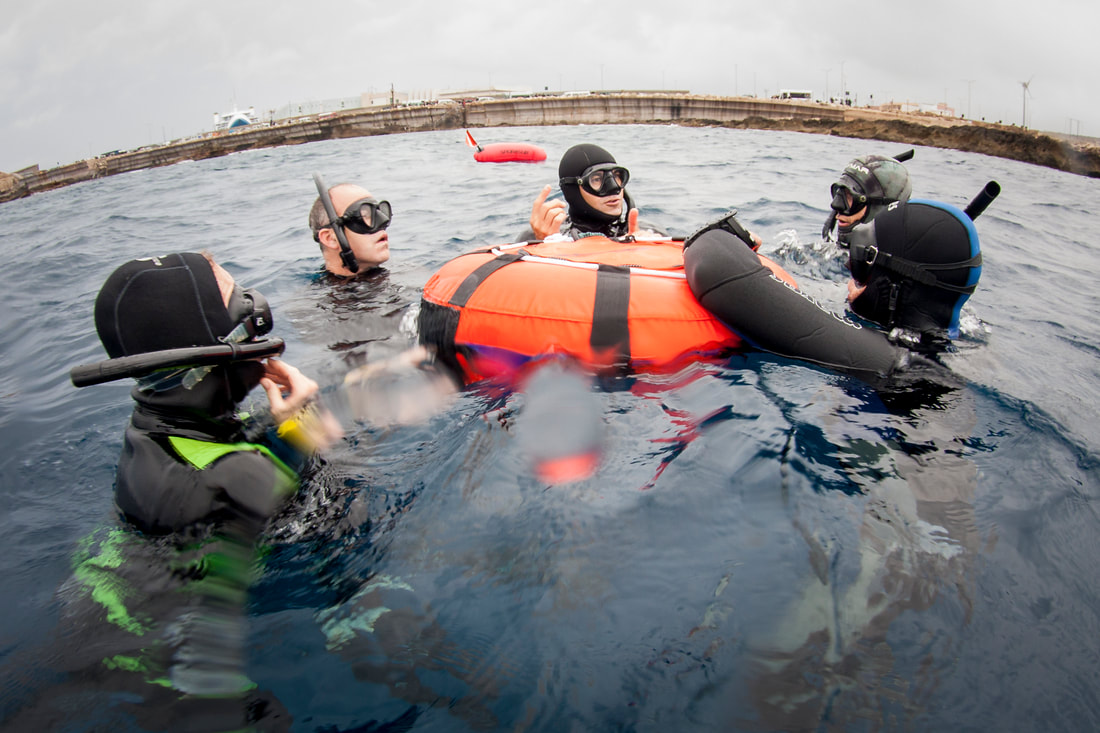
This is one of the main questions that I get asked by potential freediving students. Before taking your first ever freediving course it is difficult to imagine exactly what to expect from it, however, by preparing a little bit before the course, it can really make a difference on how successful you will be with it and how much you will enjoy freediving and the whole course experience.
So here are the 5 best ways to prepare for your AIDA2 Freediver course (and can also be applicable to AIDA1 Introduction to Freediving too):
Picture
1). Learn to Swim / Practice Swimming:
This is the biggest one. How will you be able to be relaxed in the water and focus on learning freediving if you are scared or worried by just being in the water? There is already a lot to learn about technique in freediving without your attention being mainly on trying to stay afloat or stress from having water touching your face. So be realistic about your ability. If you go to the pool for a pool party and stand in the shallow end with a drink in your hand, this doesn't count as training or being a swimmer! You don't have to be an olympic level swimmer to freedive but being able to stay afloat without panic and swim continuously for 5-10 minutes can make a huge difference for a trainee freediver.
(AIDA1 has a swim requirement of 100m, AIDA2 has a swim requirement of 200m, both are non-stop swimming, any stroke, no time limit) 

2). Practice Relaxed Breathing:
Breathing is the foundation of freediving. On the course you will learn the correct breathing for freediving, and how you can control your breath. Remember, we can control how we breath, whether it is fast or slow or deep or shallow. Start by lying down comfortably and breathing relaxed but a little deeper (always through the mouth!), so that when you breathe in, you feel the diaphragm muscle move down into the space where our stomach is (hence why we call this 'belly breathing'). Try this and feel how your heart rate will slow and you can practice relaxing all the muscles of your body at the same time, creating a calm and relaxed state (which is also great for stress relief!)

3). Feel the 'Urge to Breathe':
Doing a dry breath hold following on from the relaxed breathing, explained above, is a safe way to feel what signals our body will give us when it tells us it wants to breathe again. So take a big, full  breath after a couple of minutes of the relaxed breathing and try holding until you feel the diaphragm (breathing muscle) start to contract and moving a little bit or you feel a warm sensation there. This is the urge to breathe and although we can safely hold beyond this urge, we are not used to experiencing this sensation or challenging it ever in our lives, so this will feel new. Before the course you can experience this and try holding 5-15 seconds (count down in your head) after you first feel it and see how you are still perfectly ok afterwards. This type of practice then, is great mental and physical training for the urge to breathe we feel as a freediver!

4). Practice Ear Equalisation:
Ear equalisation is the most challenging part of freediving for beginners as it is something we rarely do ever in our day to day lives! Chances are, even if you are a scuba diver you are doing it inefficiently as they only teach the very basics of it on a scuba course. On the freediving course you will learn about doing ear equalisation correctly and efficiently for freediving, but most people will benefit greatly from practicing and training this in the weeks and months leading up to the course. You will be provided with guidance on this in by your instructor in preparation for the course, but start by looking up Frenzel equalisation technique and Valsalva Maneuver (us freedivers want to do FRENZEL as it is much more efficient).

5). Read the Course Manual:

​Once you are signed up for the freediving course you will receive access to the relevant AIDA freediving course manual. It goes without saying that by reading this before the course starts you will be in a better position to understand the concepts once they are explained to you by the instructor during the course. Also, you can test your knowledge of the manual by answering the test questions at the end of each chapter. Most beginners are surprised how much theory there is to know in freediving. There is a 100+ page manual for EACH level (AIDA2, AIDA3, AIDA4), introducing new concepts to help you dive deeper, although the foundation knowledge comes on the first level course (AIDA2).

IMPORTANT:
It goes without saying that these 5 tips alone do not make you a safe and competent freediver and definitely do not replace taking the freediving course! But with these 5 steps you can ensure you are prepared and ready to experience your adventure with One Breath Freediving!
​
By David Watson, Owner, Founder & Head Instructor / AIDA Instructor Trainer at One Breath Freediving
0 Comments

Why As an Instructor You Should Have A Teaching Philosophy

20/2/2023

0 Comments

 
In this blog post I wanted to introduce you to the One Breath Freediving philosophy and also to look more specifically of why it is important as a teacher (instructor) to also have a teaching philosophy. Those of you that have freedived with myself will know already that I have my own beliefs on how freediving should be experienced, especially when it is introduced to beginners.

A teaching philosophy is common among professional educators, especially in a classroom setting but of course there is no reason it cannon't be successfully transferred to what we do in and out of the water in freediving. Here are some points of what might constitute a good teacher and be part of their/your philosophy. It is by no means exhaustive so feel free to add in the comments anything else that you believe is important. 
​
​
A teacher affects eternity; he can never tell where his influence stops - Henry Adams
​
  • I believe a good teacher, first, has a powerful faith in the future. As Henry Adams says in the quote you see above, how and what you teach someone can be passed on and on and on and far beyond, affecting peoples lives in ways we might not imagine and will never get to see.
  • A good teacher must understand motivation and the effects of peer interactions on learning. That most learning occurs through social interaction but at the same time,  a competitive environment is not healthy. Promoting curiosity and the broadening of knowledge for self improvement is key.
  • A good teacher must know their subjects and how to help students learn those subjects. How to link relevant pieces of the jigsaw together to create the bigger picture and make the subject come alive.
  • A good teacher cannot begin or continue to inspire learning without being a learner. The good teacher must constantly learn what is new in the discipline(s) that they teach.
  • A teacher is a powerful role model and should be ever aware of the awesome obligation of needing to “walk the talk” with their students. If asking them to live their values and beliefs, the teacher must do the same.​
​
Maybe the teacher’s greatest gift to the learner is helping the learner be motivated to think, and then to want to learn more.....
“We are what we repeatedly do, excellence then, is not an act, but a habit” - Aristotle
Picture
The One Breath Freediving Philosophy
By David Watson, Owner, Founder & Head Instructor / AIDA Instructor Trainer at One Breath Freediving
0 Comments
<<Previous

    Author

    Find out what One Breath Freediving is up to with the latest posts on this blog page.

    Categories

    All
    AIDA International
    Art
    Article
    Congratulations
    Dahab
    Education
    Equipment
    Freediving Competition
    Freediving Course
    Freediving Exploring
    Freediving Training
    Fun Freediving
    Health
    Malta
    Marine Life
    News
    Open Water Freediving
    Photograph
    Pool Freediving
    Quote
    Review / Test
    Safety
    Science
    Tips
    UK
    Video

Proudly powered by Weebly